
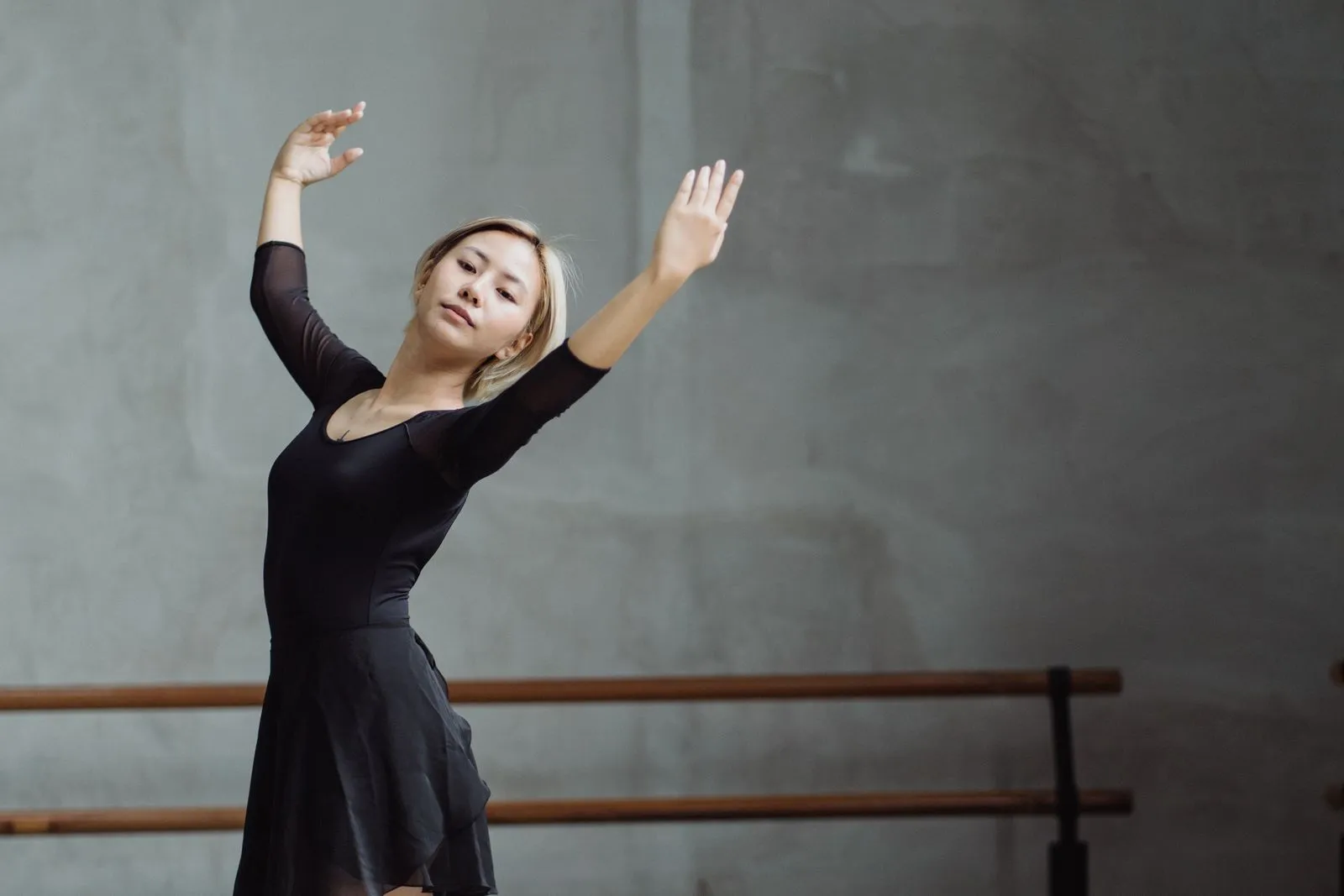
A senior barre class combines controlled movement, balance practice, and strength work, often using a barre or sturdy chair for support. Classes vary by instructor, but most follow a predictable sequence: warm up, work through simple movements, then cool down. You do not need dance experience to participate. Knowing what the class may include—and how exercises can be adjusted—can help you decide what to expect and how to communicate your needs before you begin.
A Typical Class Sequence
Class usually begins with a brief check-in and warm-up. The instructor may guide gentle shoulder rolls, ankle movements, breathing, or easy steps to prepare your body. You may then stand at a barre or chair for supported exercises. Some classes include seated movements or floor work, while others stay standing; ask about the format in advance if getting down to or up from the floor is difficult.
The main portion often alternates between standing and seated exercises. Instructors may focus on one area at a time, such as legs, hips, arms, or posture, with short breaks between sets. Class typically ends with slower movements and gentle stretching. Move at a pace that lets you stay steady and breathe comfortably; taking a break is a normal part of participation.
Movements You May Practice
Common barre movements include small knee bends, heel raises, side leg lifts, and steps that shift weight from one foot to the other. These controlled actions can challenge leg strength and balance without requiring large movements. You may hold the barre or chair with one or both hands. Keep the movement within a comfortable range rather than trying to match someone else’s depth or speed.
A class may also include arm movements with no equipment or light hand weights, along with posture and core exercises. Seated options can work similar muscle groups while reducing time spent standing. The instructor should explain how to set up each movement and where to place your feet or hands. If a movement causes pain, stop and tell the instructor instead of pushing through it.
How Exercises Can Be Adapted
Instructors can adjust movements by changing the range, pace, or amount of support. For example, you might make a smaller knee bend, keep both hands on a chair, or perform a leg lift while seated. A shorter set or a pause between repetitions can also make an exercise more manageable. These options let participants work toward the same general goal in ways that suit their current abilities.
Before class, share relevant concerns such as balance challenges, joint limitations, or difficulty standing for long periods. Mention any movement restrictions provided by your health care professional. An instructor can offer alternatives, but a group class is not a substitute for individualized medical care. Choose a stable chair or barre position, wear secure shoes or follow the studio’s footwear guidance, and keep water nearby if needed.
Preparing for Your First Visit
Wear comfortable clothing that allows you to move freely, and arrive with enough time to ask about the class setup. Find out whether the session includes floor exercises, what footwear is appropriate, and whether you should bring anything. If you use a cane or other mobility aid, ask the studio how it can be accommodated safely during class.
During the session, tell the instructor if you need a different option or a rest. You can skip a movement and rejoin when ready. The goal is steady, controlled participation—not completing every repetition. If you are unsure whether barre is appropriate for you, discuss the activity with your health care professional before attending.
A senior barre class often pairs familiar movements with support and adaptable options, so participants can work within their own comfort and ability. Ask about the class format, share any relevant limitations, and take breaks as needed. Contact Ithaca Senior Barre to ask what to expect at an upcoming class.